
Technology / OmindTech Journal
Hidden Secrets Behind AI Technology: Unveiling Algorithms and Their Implications
Artificial Intelligence (AI) technology has fundamentally transformed the world. This article thoroughly explores the secrets behind AI, from algorithms to its implications across various fields.

Unveiling the Secrets Behind AI Technology: A Comprehensive Guide
Artificial Intelligence (AI) is no longer just science fiction. AI has become an integral part of our daily lives, from movie recommendations on Netflix to self-driving cars. But what exactly makes AI so powerful and revolutionary? In this article, we will delve into the secrets behind AI technology, uncovering complex algorithms and their broad implications.
What Is Artificial Intelligence (AI)?
Simply put, AI is the ability of machines to mimic human intelligence. This includes the capacity to learn, reason, solve problems, and understand natural language. AI is not just about making machines think like humans, but also about developing systems that can perform tasks typically requiring human intelligence.
Key Components of AI
Several key components form the foundation of AI technology:
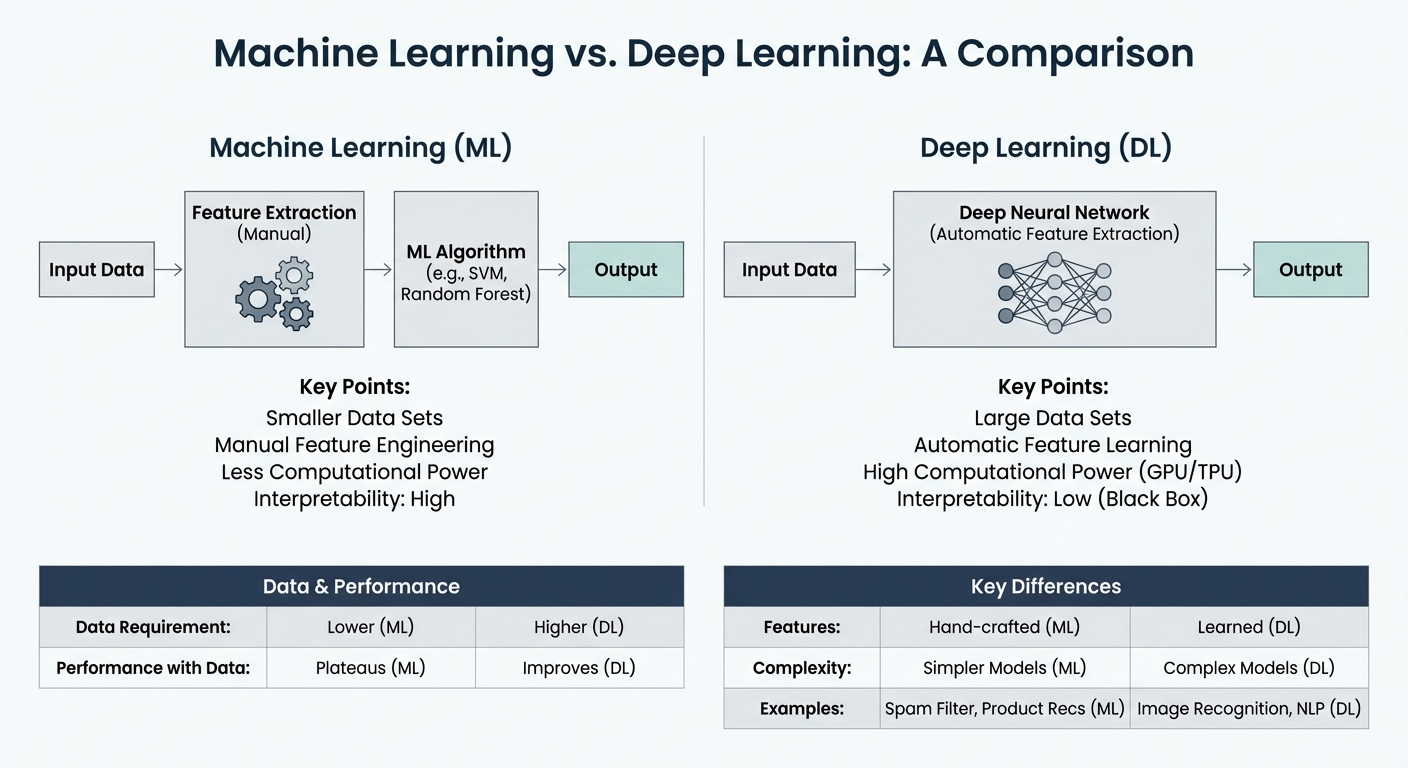
- Machine Learning (ML): ML is a subset of AI that enables machines to learn from data without being explicitly programmed. ML algorithms identify patterns in data and use these patterns to make predictions or decisions.
- Deep Learning (DL): DL is a branch of ML that uses artificial neural networks with many layers (deep neural networks) to analyze complex data. DL is highly effective in tasks such as image recognition and natural language processing.
- Natural Language Processing (NLP): NLP enables machines to understand, interpret, and generate human language. NLP is used in applications such as chatbots, language translation, and sentiment analysis.
- Computer Vision: Computer Vision allows machines to "see" and interpret images and videos. It is used in applications such as facial recognition, object detection, and image-based medical diagnosis.
- Robotics: Robotics combines AI with engineering techniques to create robots that can perform physical tasks. AI robots can be used in various industries, from manufacturing to healthcare.
Key Algorithms in AI
Many different algorithms are used in AI, each with its own strengths and weaknesses. Some of the most important algorithms include:
- Linear Regression: Used to predict numerical values based on a linear relationship between variables.
- Logistic Regression: Used to classify data into different categories.
- Support Vector Machines (SVM): Used for classification and regression, very effective with high-dimensional data.
- Decision Trees: Used to make decisions based on a series of rules.
- Random Forests: An ensemble of decision trees that provides better accuracy.
- Neural Networks: Artificial neural networks inspired by the structure of the human brain.
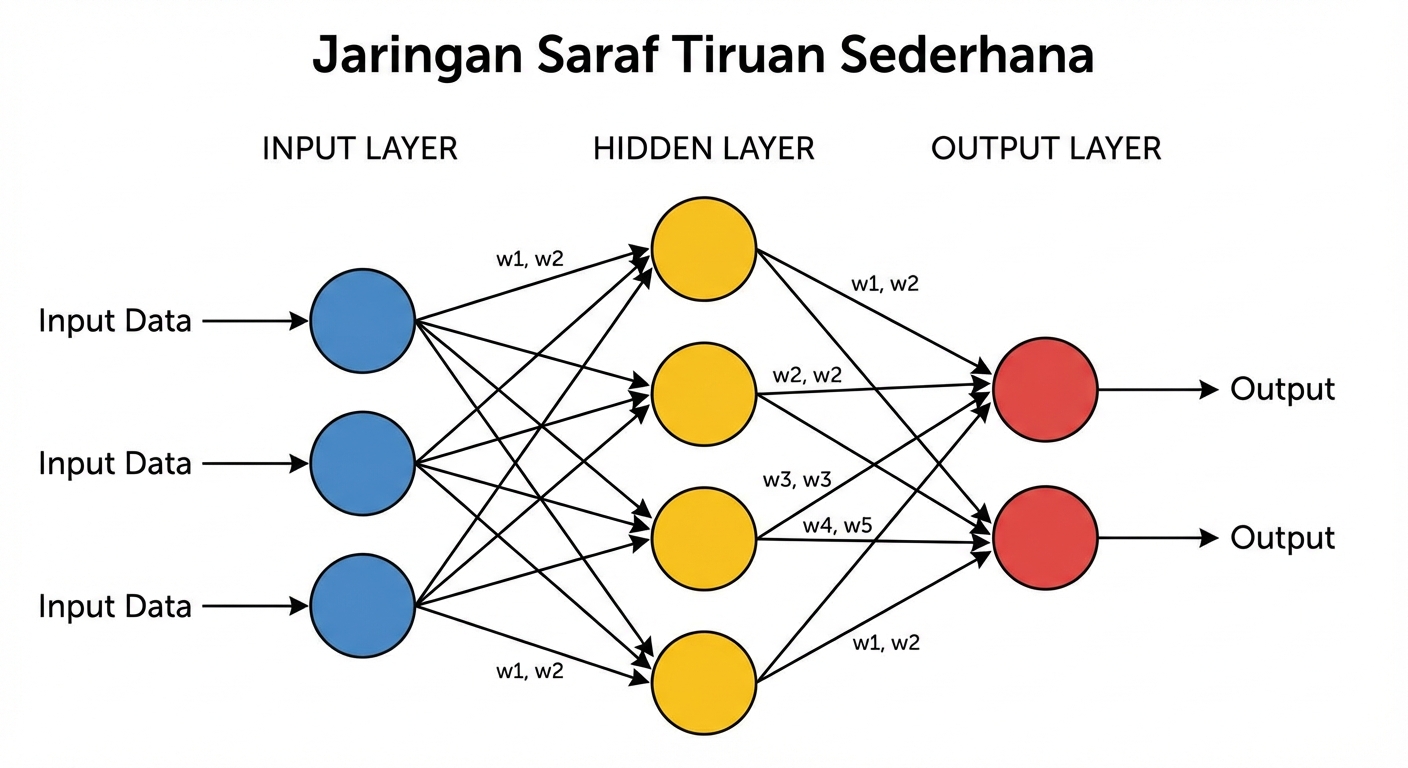
- Convolutional Neural Networks (CNN): A type of neural network specifically designed for image processing.
- Recurrent Neural Networks (RNN): A type of neural network specifically designed for sequential data such as text and speech.
How Does Machine Learning Work?
The Machine Learning process generally involves the following steps:
- Data Collection: Gathering relevant and high-quality data.
- Data Preparation: Cleaning and preparing data for training.
- Model Selection: Choosing an ML algorithm appropriate for the data type and task.
- Model Training: Training the model using training data.
- Model Evaluation: Evaluating the model's performance using test data.
- Model Refinement: Adjusting model parameters to improve performance.
- Deployment: Deploying the model into an application or system.
Deep Learning: The Power of Neural Networks
Deep Learning is an evolution of machine learning that enables computers to learn hierarchical representations of data. By using very deep artificial neural networks (with many layers), deep learning can identify complex patterns that are difficult for traditional machine learning methods to capture.
Examples of Deep Learning applications include:
- Facial Recognition: Identifying and verifying faces in images and videos.
- Object Detection: Identifying objects in images and videos (e.g., cars, people, animals).
- Language Translation: Translating text from one language to another.
- Speech Recognition: Converting speech into text.
- Image Generation: Generating new images based on text descriptions.
Impact of AI Across Various Industries
AI has the potential to radically transform almost every industry. Some examples include:
- Healthcare: More accurate disease diagnosis, personalized treatment, new drug development.
- Finance: Fraud detection, credit risk assessment, algorithmic trading.
- Manufacturing: Automation of production processes, quality control, predictive maintenance.
- Transportation: Self-driving cars, route optimization, traffic management.
- Education: Personalized learning, AI tutors, automated assessment.
Ethics and Challenges of AI
Beyond its benefits, AI also poses several ethical and social challenges:
- Bias: AI algorithms can reflect and reinforce biases present in training data.
- Privacy: Extensive collection and use of personal data can threaten individual privacy.
- Security: AI systems can be vulnerable to cyberattacks.
- Unemployment: AI automation can lead to job displacement in some sectors.
- Accountability: It is difficult to determine who is responsible when an AI system makes a mistake.
The Future of AI: Smarter, Stronger, More Ethical?
The future of AI is very bright, with the potential to solve complex problems and improve the quality of human life. However, it is crucial to develop and use AI responsibly, considering its ethical and social implications. We need to ensure that AI is used for the good of humanity, not to worsen inequality or endanger individual freedoms and rights.
In our experience at OmindTech, we believe that collaboration between researchers, policymakers, and the public is crucial to navigate the challenges and harness the full potential of AI. We are committed to contributing to this effort through research, education, and advocacy.
Gemini and Latest AI Developments
Google Gemini is one of the latest and most promising multimodal AI models. Its ability to process various types of data (text, images, audio, video) simultaneously opens new opportunities for AI applications across diverse fields. Gemini indicates the direction of AI development towards more flexible, adaptive, and intuitive systems.
Conclusion
AI technology continues to advance rapidly, bringing significant changes to how we live and work. Understanding the secrets behind AI, from algorithms to its implications, is crucial to prepare for an AI-driven future. With sound understanding and a responsible approach, we can leverage AI to create a better world for all.
"AI is not a threat, but a very powerful tool. Like all tools, it depends on how we use it."
– Author OmindTech.id
By continuously learning and adapting, we can ensure that AI becomes a positive force shaping our future.
Join the conversation.
Read reader responses, ask a question, or share your experience.
Keep exploring.
All articles
Technology
Integrated Financial Apps: The Key to Business Scalability
Discover how integrated financial applications and custom accounting software can slash reconciliation times by 80% and drive limitless business growth.

Technology
Beyond Hype: 3 Tech Trends 2026 Reshaping Indonesian Business
2026 marks the shift from AI experimentation to real-world deployment. From Agentic AI to PDP-compliant data sovereignty, discover how business infrastructure in Indonesia is evolving from passive to autonomous.

Technology
Beyond New Computers: Digitalizing Schools for Indonesia 2045
Why is a stack of computers in a school lab never enough? We dissect the harsh reality of digital transformation in Indonesian education and how ecosystem-driven digitalization can foster world-class talents for Golden Indonesia 2045.
LET’S WORK TOGETHER
Start with your story.
One conversation can open up a new perspective. Tell us about your challenge.