
Technology / OmindTech Journal
Why Is iPhone So Popular? Unpacking the Technology Behind It
The iPhone has dominated the smartphone market for years. This article delves into why the iPhone is so popular, exploring the innovative technology that underpins its success.

Why Is iPhone So Popular? Unpacking the Technology Behind It
The iPhone has become an icon in the world of technology. Since its launch in 2007, the iPhone revolutionized how we interact with the digital world. The question is: why is the iPhone so popular? What makes millions of people worldwide choose an iPhone over its competitors?
This article will deeply discuss the factors contributing to the iPhone's popularity, from design and technological innovation to its integrated ecosystem and smart marketing strategies. We will explore the technical details often hidden behind the elegant appearance and intuitive interface.
Design and Premium Quality
One of the main reasons for the iPhone's popularity is its elegant design and premium quality. Apple always emphasizes aesthetics and detail in every product. The iPhone functions not only as a communication tool but also as a style statement.
- High-Quality Materials: Apple uses premium materials such as aerospace-grade aluminum and highly durable Ceramic Shield glass. This provides a luxurious feel and ensures the device is resistant to scratches and impacts.
- Minimalist Design: The iPhone's design is known for its simplicity. Buttons and ports are minimized to create a clean and elegant look.
- Attention to Detail: Apple pays great attention to small details, such as smooth finishes, seamless transitions between materials, and precision in manufacturing each component.
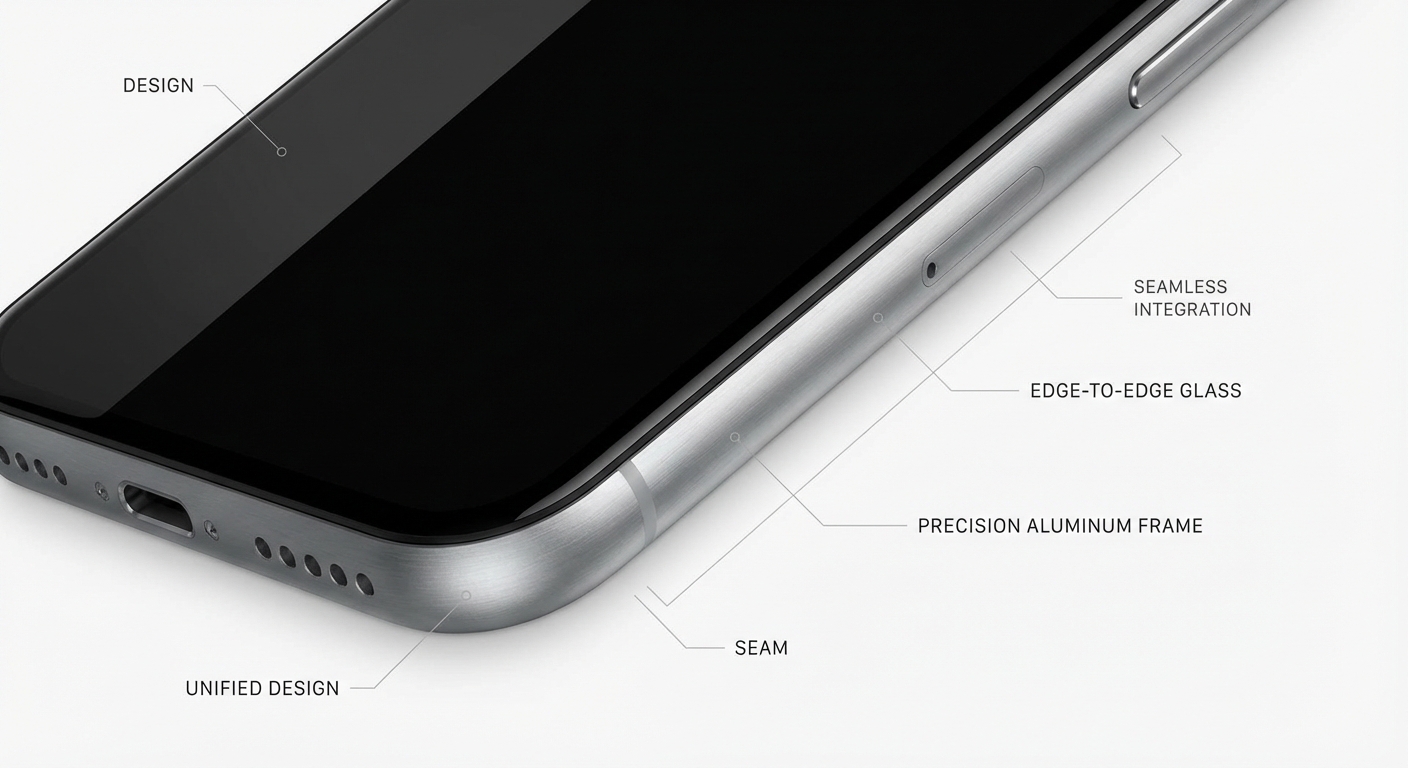
In our experience at OmindTech, good design is not just about aesthetics, but also about functionality. The iPhone is designed to be comfortable for daily use, with carefully considered ergonomics.
Technological Innovation
Apple is always at the forefront of technological innovation. The iPhone consistently introduces new features that change how we use smartphones.
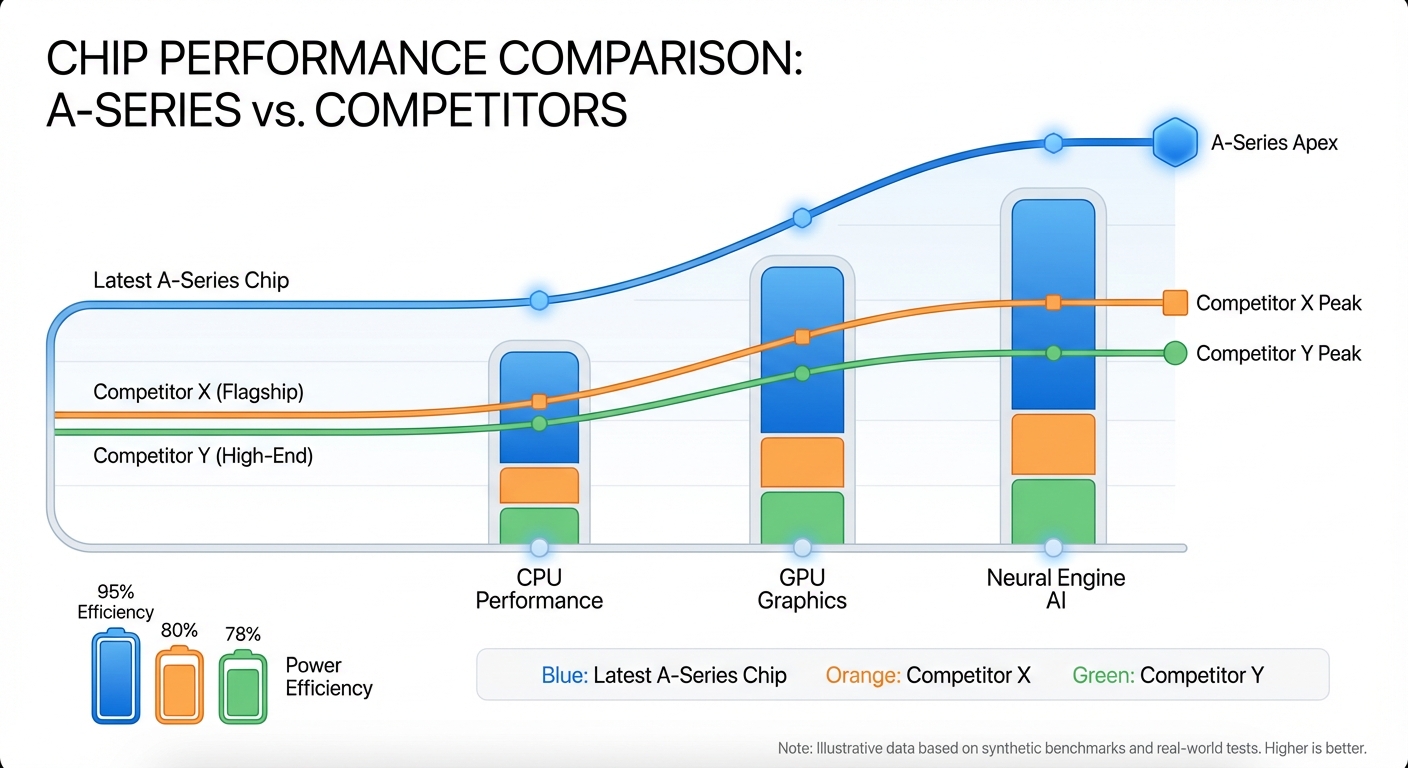
- A-Series Chipset: One of the iPhone's strengths is the A-series chipset, custom-designed by Apple. This chipset is highly efficient and powerful, allowing the iPhone to run demanding applications and games smoothly. Each generation of the A-series chipset consistently outperforms its competitors in terms of performance.
- iOS Operating System: iOS is the exclusive operating system for the iPhone. iOS is known for its intuitive interface, strong security, and excellent optimization for Apple hardware. iOS also offers exclusive features like AirDrop, iMessage, and iCloud.
- Advanced Camera: The iPhone is known for its exceptional camera quality. Apple continuously improves the iPhone camera's capabilities with larger sensors, better lenses, and advanced image processing algorithms. Night mode, Portrait mode, and high-quality video recording are some of the standout features of the iPhone camera.
- Face ID: Face ID is a highly secure and accurate facial recognition system. This technology allows users to unlock their iPhone, make payments, and access applications by simply looking at the device. Face ID uses advanced 3D face mapping technology to ensure security and accuracy.
Apple Ecosystem
One of the important factors in the iPhone's popularity is Apple's integrated ecosystem. Apple offers a variety of interconnected products and services, creating a seamless and cohesive user experience.
- Hardware and Software Integration: Apple controls the iPhone's hardware and software, allowing them to optimize device performance and efficiency. This tight integration also enables Apple to provide a more consistent and unified user experience.
- iCloud Services: iCloud is Apple's cloud service that allows users to store photos, videos, documents, and other data online. iCloud also enables users to sync their data across all their Apple devices.
- App Store: The App Store is the official app store for iPhone. The App Store offers millions of applications that can be used for various purposes, from entertainment to productivity. Apple strictly curates the applications available on the App Store to ensure quality and security.
- Apple Watch and AirPods: Apple Watch and AirPods are two very popular complementary iPhone products. Apple Watch allows users to receive notifications, track physical activity, and make phone calls directly from their wrist. AirPods are wireless earphones that offer good sound quality and seamless integration with the iPhone.
The Apple ecosystem creates an addictive user experience. Once you get used to the ease and integration offered by Apple's products and services, it's hard to switch to another platform.
Smart Marketing Strategy
Apple is known for its smart and effective marketing strategy. Apple has successfully created a strong brand image and built a loyal fan base.
- Spectacular Product Launches: Apple always holds spectacular product launch events to introduce new iPhones. These events are typically attended by media, analysts, and fans from around the world. Apple uses these events to highlight new features and advantages of the iPhone.
- Creative Advertising: Apple's advertisements are known for their creativity and strong messaging. Apple often uses ads to highlight the benefits of the iPhone in daily life and to build an emotional connection with consumers.
- Unique Retail Experience: Apple stores are designed to provide a unique retail experience. Apple employees are trained to provide friendly and helpful customer service. Apple stores also offer workshops and training to help users maximize their use of Apple products.
Challenges and Future of iPhone
Although the iPhone is very popular, Apple faces several challenges in the increasingly competitive smartphone market.
- Competition from Android: Android is the most popular mobile operating system in the world. Android offers a variety of devices at more affordable prices than the iPhone.
- Slowing Innovation: Some critics argue that innovation in the iPhone has slowed in recent years. Apple needs to continue to innovate to maintain its position as a market leader.
- Privacy and Security: Apple emphasizes user privacy and security. However, Apple also faces pressure from governments and law enforcement agencies to provide access to user data in certain cases.
The future of the iPhone will depend on Apple's ability to overcome these challenges and continue to innovate. Some trends that may affect the future of the iPhone include:
- Augmented Reality (AR): AR has the potential to change how we interact with the digital world. Apple has invested heavily in AR technology and will likely integrate AR more deeply into the iPhone.
- Artificial Intelligence (AI): AI also has the potential to enhance the iPhone user experience. Apple can use AI to improve the Siri voice assistant, enhance camera quality, and personalize the user experience.
- 5G: 5G technology offers faster internet speeds and lower latency. The upcoming iPhone 17 and iPhone 16 are expected to support 5G, allowing users to enjoy a better mobile experience.
Conclusion
The popularity of the iPhone is the result of a combination of elegant design, technological innovation, an integrated ecosystem, and a smart marketing strategy. Apple has successfully created a product that functions not only as a communication tool but also as a style statement and status symbol. However, Apple also faces challenges in the increasingly competitive smartphone market. To maintain its position as a market leader, Apple needs to continue to innovate and adapt to changing technology trends.
In our experience at OmindTech, the success of the iPhone is proof that user-experience-focused innovation always pays off. While rumors about the iPhone 17 continue to circulate, Apple's focus on integrating advanced technologies like AI and AR will be key to maintaining its appeal in the future.
Join the conversation.
Read reader responses, ask a question, or share your experience.
Keep exploring.
All articles
Technology
Integrated Financial Apps: The Key to Business Scalability
Discover how integrated financial applications and custom accounting software can slash reconciliation times by 80% and drive limitless business growth.

Technology
Beyond Hype: 3 Tech Trends 2026 Reshaping Indonesian Business
2026 marks the shift from AI experimentation to real-world deployment. From Agentic AI to PDP-compliant data sovereignty, discover how business infrastructure in Indonesia is evolving from passive to autonomous.

Technology
Beyond New Computers: Digitalizing Schools for Indonesia 2045
Why is a stack of computers in a school lab never enough? We dissect the harsh reality of digital transformation in Indonesian education and how ecosystem-driven digitalization can foster world-class talents for Golden Indonesia 2045.
LET’S WORK TOGETHER
Start with your story.
One conversation can open up a new perspective. Tell us about your challenge.