
Technology / OmindTech Journal
Why Is Custom App Development More Expensive Than Templates? Here's Why
Custom applications offer targeted solutions for your unique business needs but are often more expensive than template apps. This article explains why, highlighting the underlying complexities and advantages.

Why Is Custom App Development More Expensive Than Templates? Here's Why
Choosing between custom applications and template applications is often a dilemma for businesses looking to leverage technology for increased efficiency and growth. While template applications offer a more affordable initial solution, custom applications provide much greater flexibility and capability to meet unique business needs. However, the price difference is often a primary consideration. This article will discuss in depth why the cost of custom app development is higher compared to template apps.
What Are Template Applications and Custom Applications?
Before discussing further about price differences, it's important to understand what template applications and custom applications mean.
Template Applications: Template applications are ready-to-use applications designed to meet general needs. These applications typically have standard features that can be used by various types of businesses. Examples of template applications include simple e-commerce apps, basic task management apps, or online survey apps. Users can customize some aspects of the appearance and content, but the core functionality remains the same.
Custom Applications: Custom applications are applications designed and developed specifically to meet the unique needs of a business. These applications are built from scratch, considering the business processes, target audience, and strategic goals of the company. Custom applications allow full flexibility in design, functionality, and integration with existing systems.
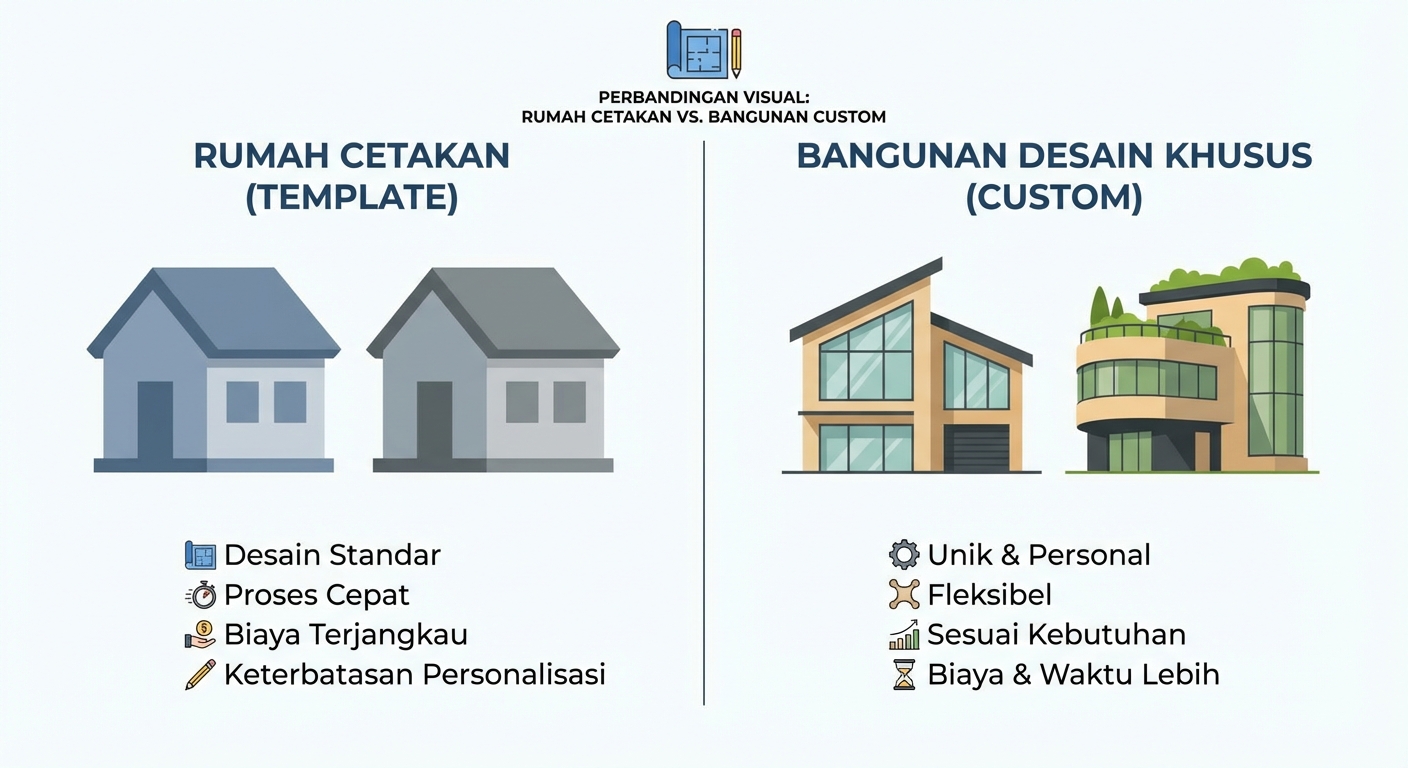
Factors Influencing the Cost of Custom App Development
Several key factors contribute to the higher cost of custom app development compared to template applications:
In-Depth Needs Analysis:
Custom application development begins with a comprehensive needs analysis process. The development team will work closely with the client to deeply understand the business processes, challenges, and goals to be achieved with the application. This analysis involves a series of meetings, interviews, and case studies to ensure that the built application truly aligns with business needs. The cost for this needs analysis naturally consumes time and resources.
Unique and Personalized Design:
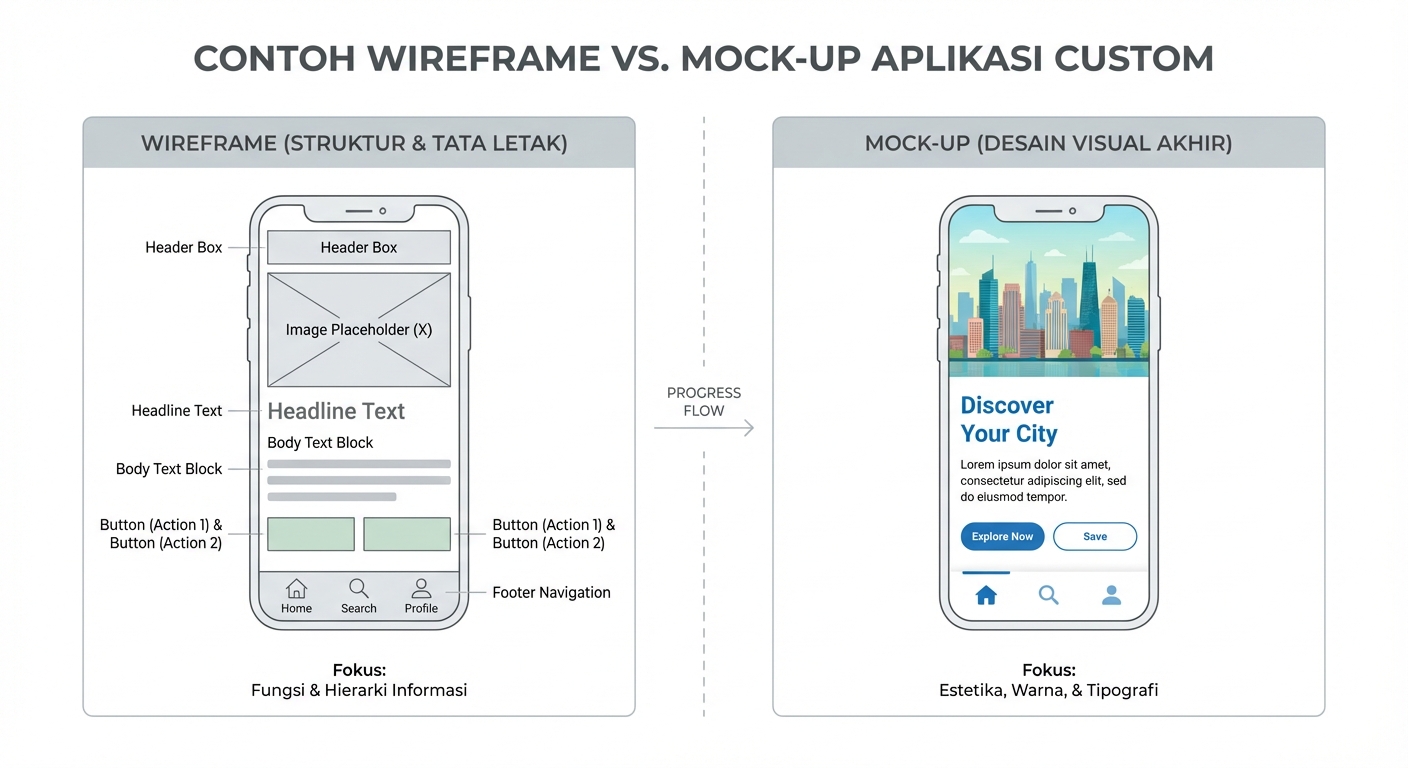
Custom applications allow businesses to have a unique and personalized design, consistent with the company's brand and identity. The design process involves creating wireframes, mock-ups, and prototypes to ensure that the application's appearance and user experience (UX) meet expectations. Good design not only makes the application look appealing but also enhances usability and user satisfaction. This careful design process requires the expertise of experienced UX/UI designers.
Specific Feature Development:
Custom applications allow businesses to develop specific features relevant to their needs. These features may not be available in template applications or may require significant customization. Custom feature development involves complex code writing, rigorous testing, and integration with other systems. Feature complexity greatly influences development costs.
Integration with Existing Systems:
Many businesses already have existing systems and software, such as ERP, CRM, or accounting systems. Custom applications can be integrated with these systems to ensure smooth workflows and data exchange. This integration requires deep technical expertise and a good understanding of system architecture. Complex integrations can significantly add to the cost.
Comprehensive Testing:
Custom applications require comprehensive testing to ensure that the application functions correctly and is bug-free. This testing involves unit testing, integration testing, system testing, and user acceptance testing (UAT). Thorough testing can be time-consuming and resource-intensive, but it is essential to ensure the quality and reliability of the application.
Ongoing Maintenance and Support:
Custom applications require ongoing maintenance and support to ensure that the application continues to function properly, securely, and remains relevant to changing business needs. Maintenance includes bug fixes, security updates, and feature enhancements. Support includes technical assistance to users and monitoring application performance. Long-term maintenance is an important investment to ensure the long-term value of the application.
Scalability:
Custom applications are designed with scalability in mind, which is the application's ability to handle increased traffic and data volume. Scalability is important to ensure that the application can continue to function well as the business grows. Planning and implementing scalability require deep software architecture expertise.
Advantages of Custom Applications Despite Higher Cost
Although the cost of custom app development is higher, this investment is often worthwhile due to the various advantages it offers:
Targeted Solutions: Custom applications are specifically designed to meet your business needs, providing targeted and effective solutions.
Competitive Advantage: Custom applications can provide a competitive advantage by enabling you to do things your competitors cannot with template applications.
Flexibility: Custom applications provide full flexibility to adapt the application to your changing business needs.
Better Integration: Custom applications can be integrated with existing systems to ensure smooth workflows and data exchange.
Scalability: Custom applications are designed with scalability in mind, ensuring they can continue to function well as your business grows.
Full Ownership: You have full ownership of the custom application's code and data, giving you complete control over the application's future.
When to Choose a Template Application?
A template application might be the right choice if:
You have a limited budget.
You need a quick and easy-to-implement solution.
Your business needs are fairly standard and can be met by the features available in a template application.
You do not require integration with other systems.
When to Choose a Custom Application?
A custom application is a better choice if:
You have unique and specific business needs.
You need flexibility to adapt the application to your changing business needs.
You require integration with other systems.
You want to gain a competitive advantage.
You are investing in your business's long-term growth.
Conclusion
The cost of custom app development is higher than template applications due to development complexity, in-depth needs analysis, unique design, specific feature development, integration with existing systems, comprehensive testing, and ongoing maintenance. However, investing in custom applications is often worthwhile because it provides targeted solutions, competitive advantage, flexibility, better integration, scalability, and full ownership. Choosing between template and custom applications depends on your business needs, budget, and strategic goals. At OmindTech.id, as your Jakarta IT consultant, we are ready to help you analyze your needs and provide the best solutions for your application development. We also offer reliable, affordable application development services while prioritizing quality and efficiency. Contact us to get competitive Android app development service prices for 2026 that align with your business needs.
Join the conversation.
Read reader responses, ask a question, or share your experience.
Keep exploring.
All articles
Technology
Integrated Financial Apps: The Key to Business Scalability
Discover how integrated financial applications and custom accounting software can slash reconciliation times by 80% and drive limitless business growth.

Technology
Beyond Hype: 3 Tech Trends 2026 Reshaping Indonesian Business
2026 marks the shift from AI experimentation to real-world deployment. From Agentic AI to PDP-compliant data sovereignty, discover how business infrastructure in Indonesia is evolving from passive to autonomous.

Technology
Beyond New Computers: Digitalizing Schools for Indonesia 2045
Why is a stack of computers in a school lab never enough? We dissect the harsh reality of digital transformation in Indonesian education and how ecosystem-driven digitalization can foster world-class talents for Golden Indonesia 2045.
LET’S WORK TOGETHER
Start with your story.
One conversation can open up a new perspective. Tell us about your challenge.